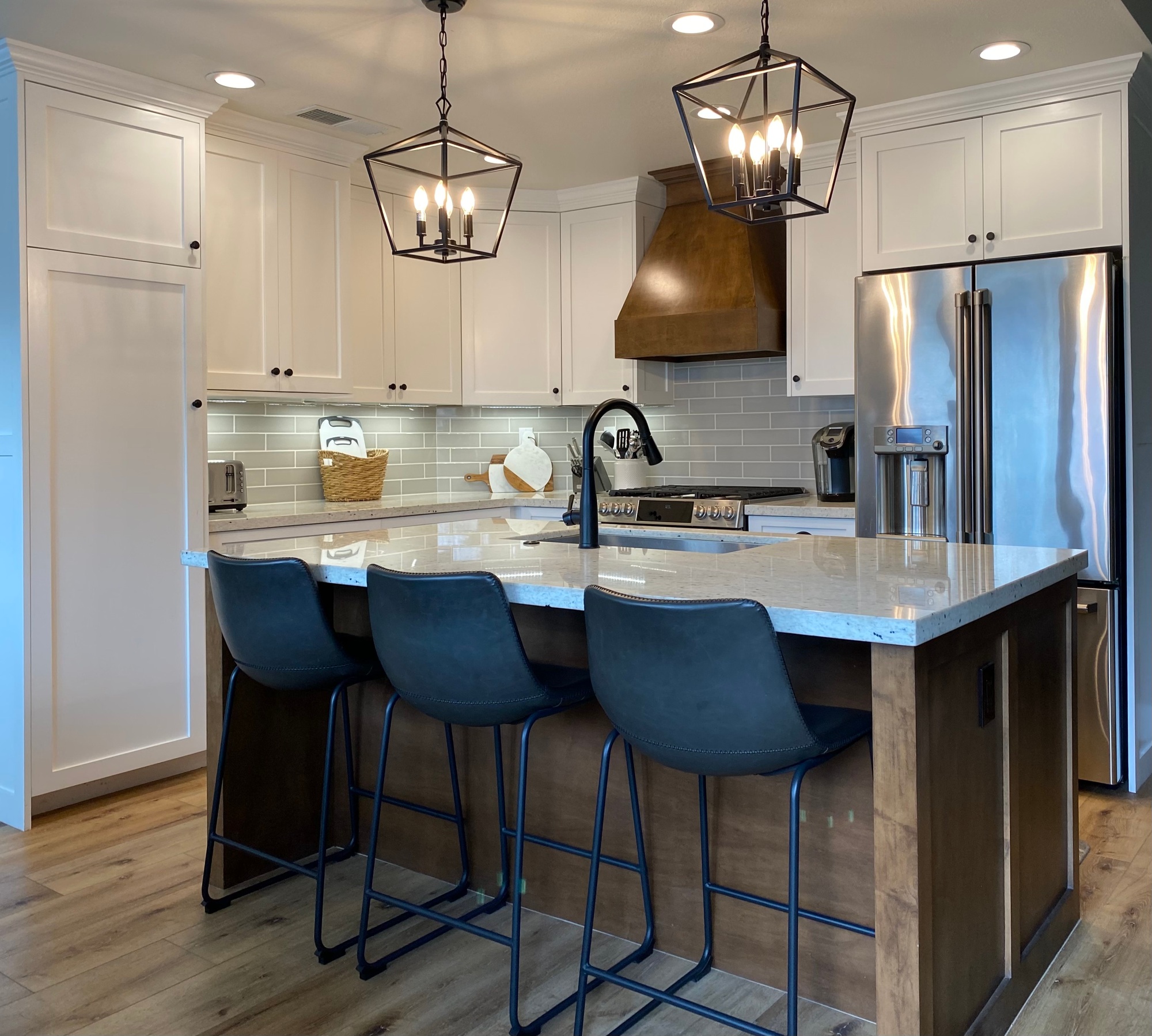
A kitchen island can be the heart of a modern home. It offers extra prep space, storage, and a natural gathering spot for family and guests. But when it comes to incorporating seating, the design often falls short. Poor placement, awkward legroom, or uncomfortable dimensions can make island seating more decorative than useful.
The good news is that with thoughtful planning, you can create kitchen island seating that truly works. Whether you’re renovating your space or designing a new build, here’s how to choose or create an island that balances comfort, flow, and style.
1. Choose the Right Layout for Your Space
Start by matching the island layout to the size and shape of your kitchen. Not every kitchen can support seating on multiple sides, and forcing it can result in tight walkways or impractical configurations.
Common seating layouts include:
- Seating along one side for narrow or galley kitchens
- L-shaped seating for medium to large kitchens
- A rounded or extended end for casual dining
You’ll want at least 36 to 48 inches of clearance around the island. This ensures people can move freely, even when guests are seated.
2. Get the Measurements Right
Comfortable seating starts with proper dimensions. A common mistake is using a shallow countertop overhang or picking the wrong stool height.
Use these guidelines:
- Overhang: 12 to 15 inches for adequate legroom
- Counter height: 36 inches with stools that are 24 to 26 inches tall
- Bar height: 42 inches with stools that are 28 to 30 inches tall
- Seat spacing: Allow 24 to 30 inches per stool to avoid crowding
For built-in benches or banquette-style seating, include proper back support, cushion depth, and access from multiple sides.
3. Combine Seating with Storage
In many homes, the kitchen island needs to do more than provide a place to sit. You may also want it to offer extra storage or other features.
Consider adding:
- Drawers or cabinets beneath the seating area
- Open shelves for cookbooks or baskets
- Hidden compartments for trash or recycling
This multi-use approach helps the island work harder without sacrificing comfort or style.
4. Match the Design to Your Kitchen
Your island seating should feel like a natural extension of your kitchen. It should complement the room’s style, finishes, and overall design tone.
Tips for a seamless look:
- Use matching or coordinating cabinet finishes
- Select stools that echo your lighting or hardware choices
- Incorporate soft materials like wood or fabric for a warmer feel
In open-concept homes, cohesive island design helps create visual harmony between the kitchen and adjacent living areas.
5. Add Lighting and Power Where Needed
Lighting and outlets are often overlooked in island seating design, but they’re essential for comfort and usability. Pendant lights centered over the seating area add both beauty and function. Choose fixtures that provide enough brightness for dining or working at the island.
If you expect the island to double as a workspace or homework zone, include discreet electrical outlets or USB charging ports. These features make the island more practical for everyday use without taking away from the overall look.
Final Thoughts
Kitchen islands with built-in seating offer a smart way to enhance both form and function. The key is to design with daily life in mind. Choose the right layout for your space, allow for proper clearances, and integrate the seating with your kitchen’s style and needs.
Whether you’re hosting friends, grabbing a quick meal, or helping kids with schoolwork, a well-designed island can support it all. If you’re planning a remodel and want to explore your options, Meraki Builder can help you design a kitchen that works beautifully for your lifestyle.