When it comes to hosting, the design of your home can make all the difference. A well-designed layout can not only enhance the social flow of your gatherings but also make guests feel welcome and at ease. Whether you’re hosting intimate dinners or large parties, open floor plans and seamless transitions between indoor and outdoor spaces are essential. Let’s explore how these features can transform your home into the perfect space for entertaining.
1. Open Floor Plans: Enhancing Social Interaction
Open floor plans are ideal for entertaining because they create a natural flow between key living areas like the kitchen, dining room, and living room. Without walls separating these spaces, guests can move freely between rooms, making the entire experience feel more connected and relaxed.
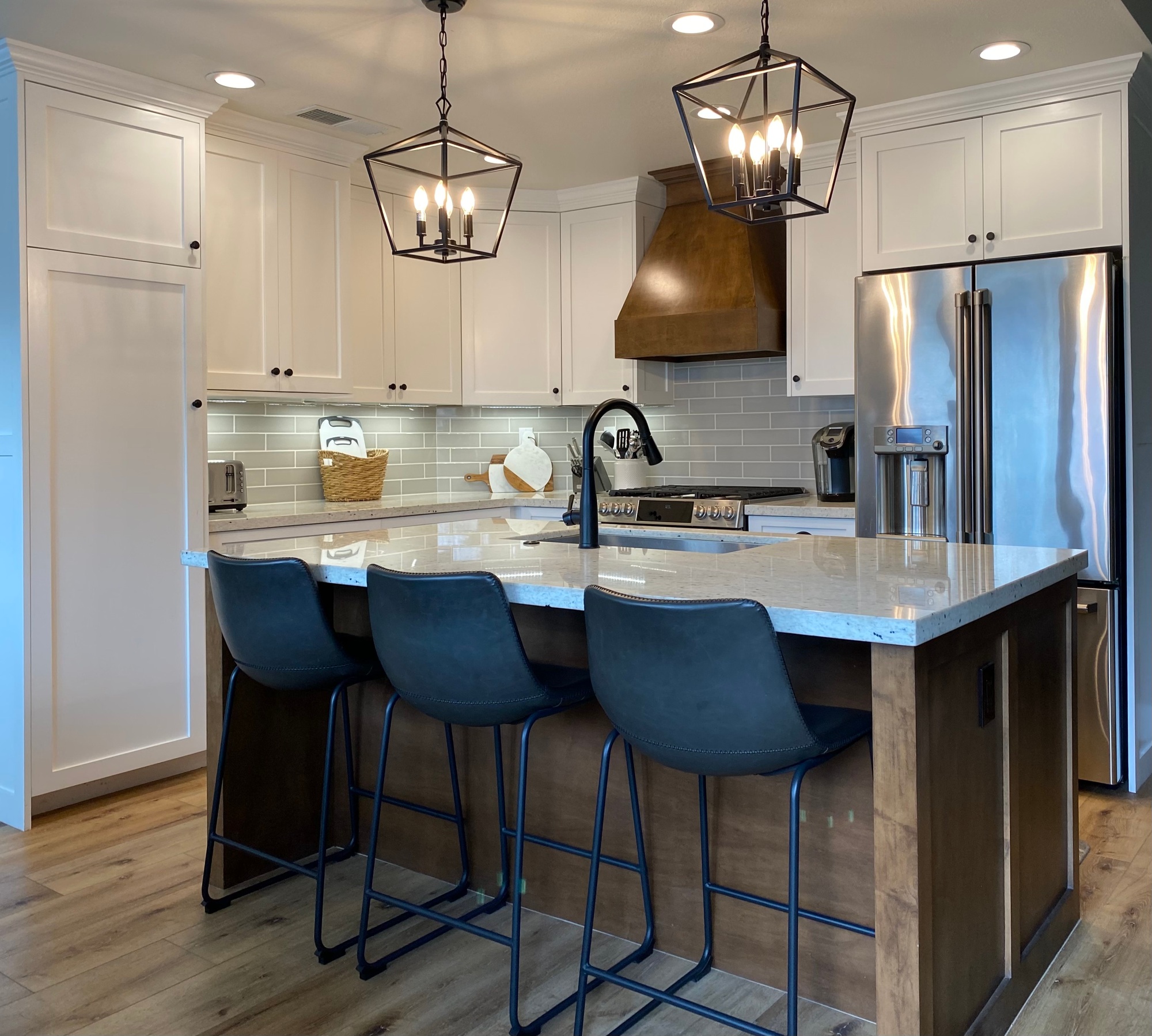
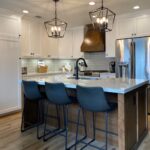
A kitchen island, for instance, serves as a focal point where guests can gather around while the host prepares food. This not only keeps the cook engaged with the group but also encourages mingling, rather than isolating the person working in the kitchen. Open spaces make it easier for everyone to interact, contributing to a more enjoyable atmosphere.
To make an open layout work for entertaining, consider creating distinct zones for different activities. For example, use rugs, furniture arrangements, or lighting to separate the dining area from the living room while maintaining an open feel.
2. Indoor-Outdoor Flow: Extending Your Space
One of the most desirable features for entertaining is an easy transition between the indoors and outdoors. If your home has a backyard, patio, or deck, creating a seamless connection to these areas from the main living spaces can expand your entertaining space and provide more options for hosting.
Large windows or sliding glass doors that open to your outdoor area are great for connecting the two spaces. These features allow guests to move freely between the indoors and outdoors, especially during the warmer months when outdoor gatherings are popular.
A thoughtfully designed outdoor space can include everything from an outdoor kitchen and dining area to comfortable seating and fire pits. By treating your outdoor space as an extension of your indoor living areas, you create a larger, more versatile entertaining space.
3. Multifunctional Spaces: Adapting to Your Needs
Entertaining at home means that your spaces need to be flexible. That’s why multifunctional spaces are an important consideration when designing for hosting. For example, a large living or dining room can be rearranged depending on the event, whether it’s a casual movie night or a formal dinner party.
Look for furniture pieces that can be easily moved or rearranged, such as modular sofas or extendable dining tables. Built-in storage can also help keep the space organized while offering more room for guests. The goal is to create a flexible space that doesn’t feel crowded, no matter the size of your gathering.
4. Smart Kitchen Design: The Heart of the Party
The kitchen is often the heart of the home, especially when entertaining. An open kitchen layout is perfect for socializing while preparing meals, and it allows guests to interact with the host without feeling isolated. Consider adding a kitchen island with seating, which provides a casual spot for guests to hang out while enjoying drinks or appetizers.
In addition to functionality, make sure your kitchen is equipped with the tools needed for large-scale entertaining. High-end appliances like a double oven or large refrigerator can help with food preparation, while a walk-in pantry keeps everything organized and easily accessible.
5. Lighting: Setting the Mood
Lighting is essential in creating the right atmosphere for entertaining. Whether it’s a cozy dinner or a lively cocktail party, the lighting sets the mood. Layering lighting—such as overhead lights, task lighting, and accent lighting—can help you adjust the ambiance for different occasions.
Dimmable lights are a great addition to living and dining areas, allowing you to adjust the brightness based on the time of day or type of gathering. Pendant lights above the kitchen island or dining table can also create a stylish focal point while providing functional lighting.
Outdoor lighting, such as string lights or lanterns, can add a cozy, inviting feel to your outdoor space, extending the indoor ambiance to your backyard.
Conclusion
Designing your home with entertaining in mind is all about creating a space that fosters connection, flexibility, and comfort. An open floor plan, seamless indoor-outdoor transitions, and multifunctional rooms make it easier to host gatherings of all sizes. Thoughtful kitchen design, strategic lighting, and versatile layouts ensure that your home is always ready to accommodate guests, making entertaining a breeze.
By focusing on these key design elements, you can transform your home into an entertainer’s dream, making every gathering memorable and enjoyable.